Painters · The Overlooked
Unsung Painters and Their Work
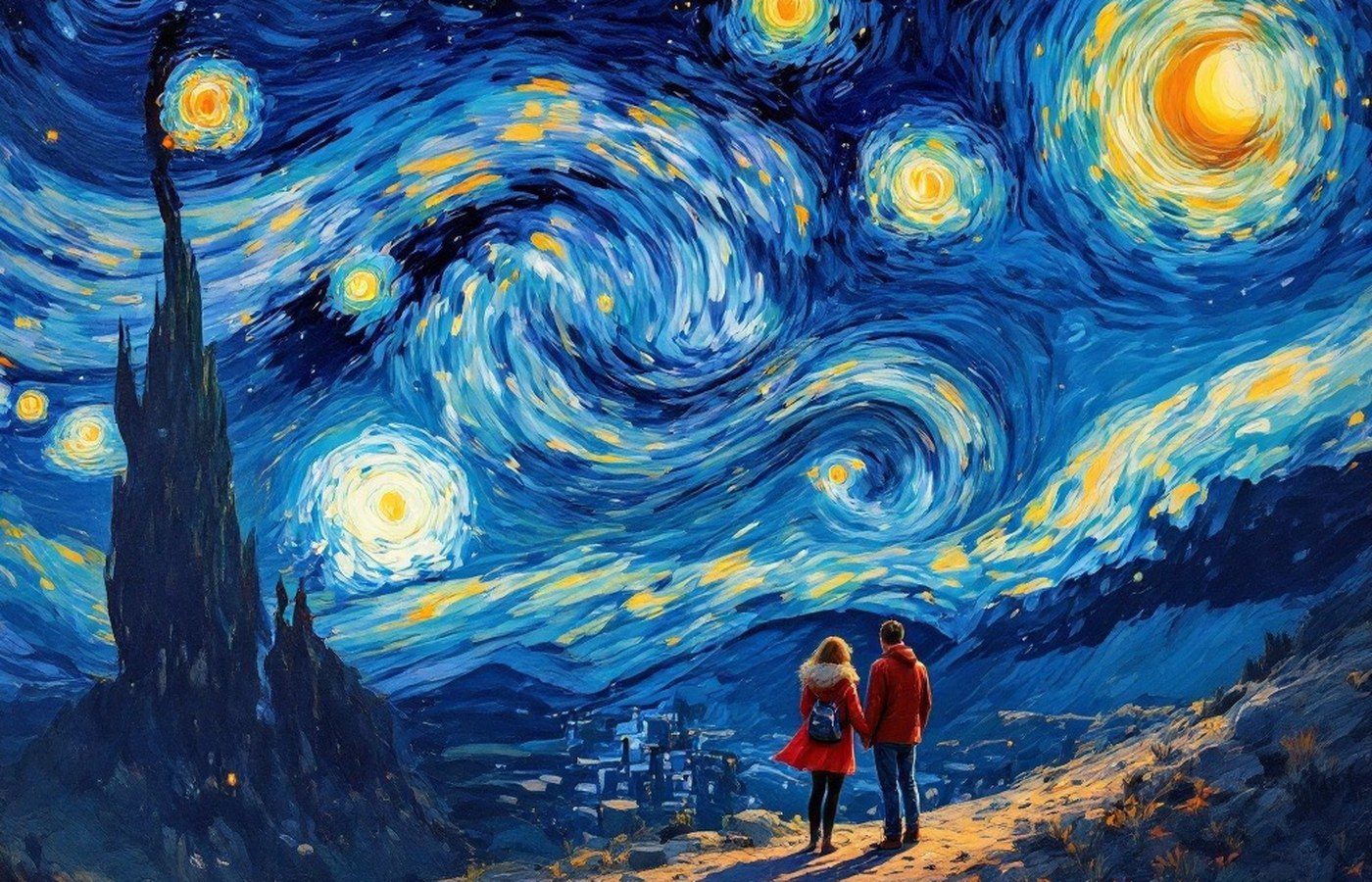
In a world of so many great artists, some remain unnoticed. A few never receive the fame they deserve while they live, and are recognised only after death — some having lived, in the meantime, in abject poverty. Let me tell you about a handful of such painters whose work is cherished immensely today. Had recognition come while they were alive, perhaps their lives would have been easier, and happier.
At a glance
Five who were seen too late
- Vincent van Gogh — Dutch, b. 1853. Could not sell a single painting in his lifetime.
- Paul Gauguin — French, b. 1848. Celebrated only in the century after his death.
- Johannes Vermeer — Dutch, b. 1632. Forgotten for two centuries; left just 34 paintings.
- Claude Monet — French, b. 1840. Founder of Impressionism, rejected for it.
- El Greco — Greek, b. 1541. Dismissed as incomprehensible; a genius ahead of his time.
Vincent van Gogh
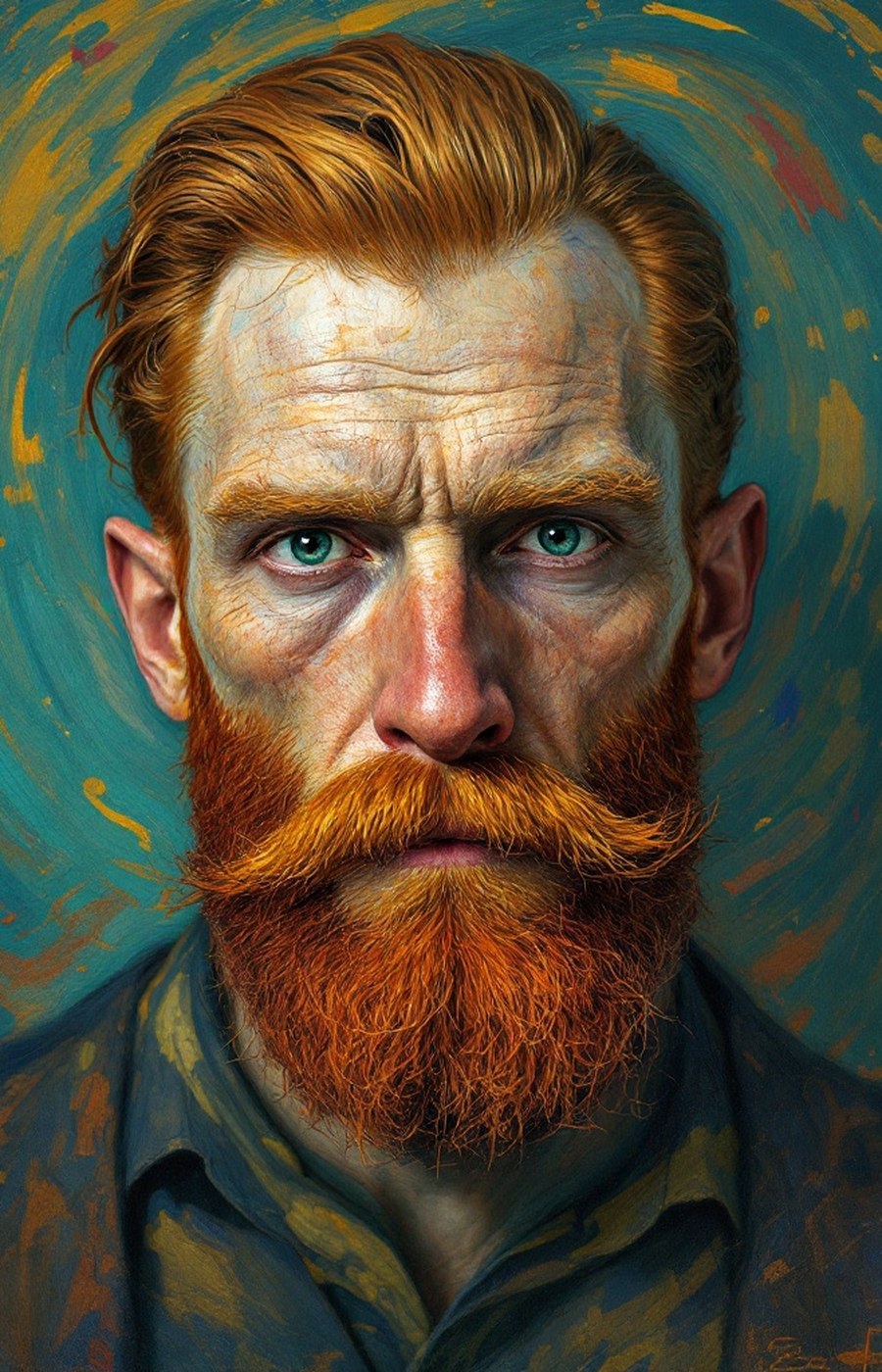
He is known for his post-impressionist paintings. A Dutch painter born in 1853, he received no praise or appreciation during his life. Unlike the other famous painters, his art was considered too dark, too emotional, and was not at all appreciated. He later took his own life, unable to sell even one of his paintings; a letter addressed to his brother was found in his pocket.
He made a profound impact on the artists who followed him at the turn of the twentieth century. His painting The Starry Night has since become a worldwide phenomenon, and millions of painters aspire to be like him. You can read more about that canvas in the most appreciated works of unsung painters.
Paul Gauguin
Like Van Gogh, Paul Gauguin struggled for recognition all through his life. Born in 1848, he too was a post-impressionist artist, and his work was recognised widely only in the twentieth century, after his death. His paintings became an inspiration for great artists such as Pablo Picasso and Henri Matisse.
He is now considered the most important artist of the post-impressionist movement. Among his famous works are Day of God, Arearea, La Orana Maria, The Painter of Sunflowers and many more.
Some do not get the fame they deserve during their lifetime — they are recognised only when they are gone.
Johannes Vermeer
A Dutch painter known for his domestic interior scenes of middle-class life, Vermeer had an average life and received only a little recognition from the people around him — nowhere near enough for the quality of what he made. He did not paint a great deal, but he tried, and perfected, everything he touched, creating only thirty-four paintings in all.
He worked as an art dealer and an innkeeper, yet it was not enough to feed a family of thirteen, and he later died under the weight of stress and financial pressure. After his death he was forgotten for two full centuries — until, in the nineteenth century, the historians Waagen and Thoré-Bürger published an essay on him. He is now known as one of the most influential artists of all time, and every one of his paintings is beautiful and highly appreciated.
Claude Monet

Yet another French Impressionist who went unrecognised in his own time. Born in 1840, he is known as the founder of French Impressionist painting. His work was outright rejected by society because it went against the trend of the day. He wanted to document the French countryside, and that desire led him to adopt a painting style entirely his own.
He died of lung cancer at the age of eighty-six. His work has since inspired most of the impressionist painters who came after. Among his great works are Impression, Sunrise, Woman with a Parasol, San Giorgio Maggiore at Dusk and many others.
El Greco
A Greek painter, sculptor and architect, El Greco is said to be the most influential figure in post-Byzantine art. He received no appreciation in his own time and was rediscovered only in the twentieth century. His real name was Doménikos Theotokópoulos, and he was born in 1541. He was also a keen reader, keeping his own library and a workshop in Rome.
Unfortunately, his work was not liked by people because it was different. Even after he died, he was scorned — his art thought too confusing and incomprehensible. He is now known as a painter always ahead of his time, admired for his unique style and modern techniques. His famous works include The Burial of the Count of Orgaz, View of Toledo and The Opening of the Fifth Seal, among others.
A closing thought
There have been many unknown painters in the world who never received their due, right up to today. But it is entirely possible that a painter little appreciated in our own time will rise, in the future, to become one of the greatest we have ever known.

Full-time blogger and guidance counsellor. I write Art Inconnu to bring overlooked artists and their work back into the light.